

Introduction
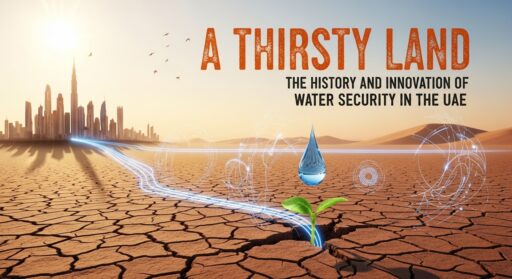
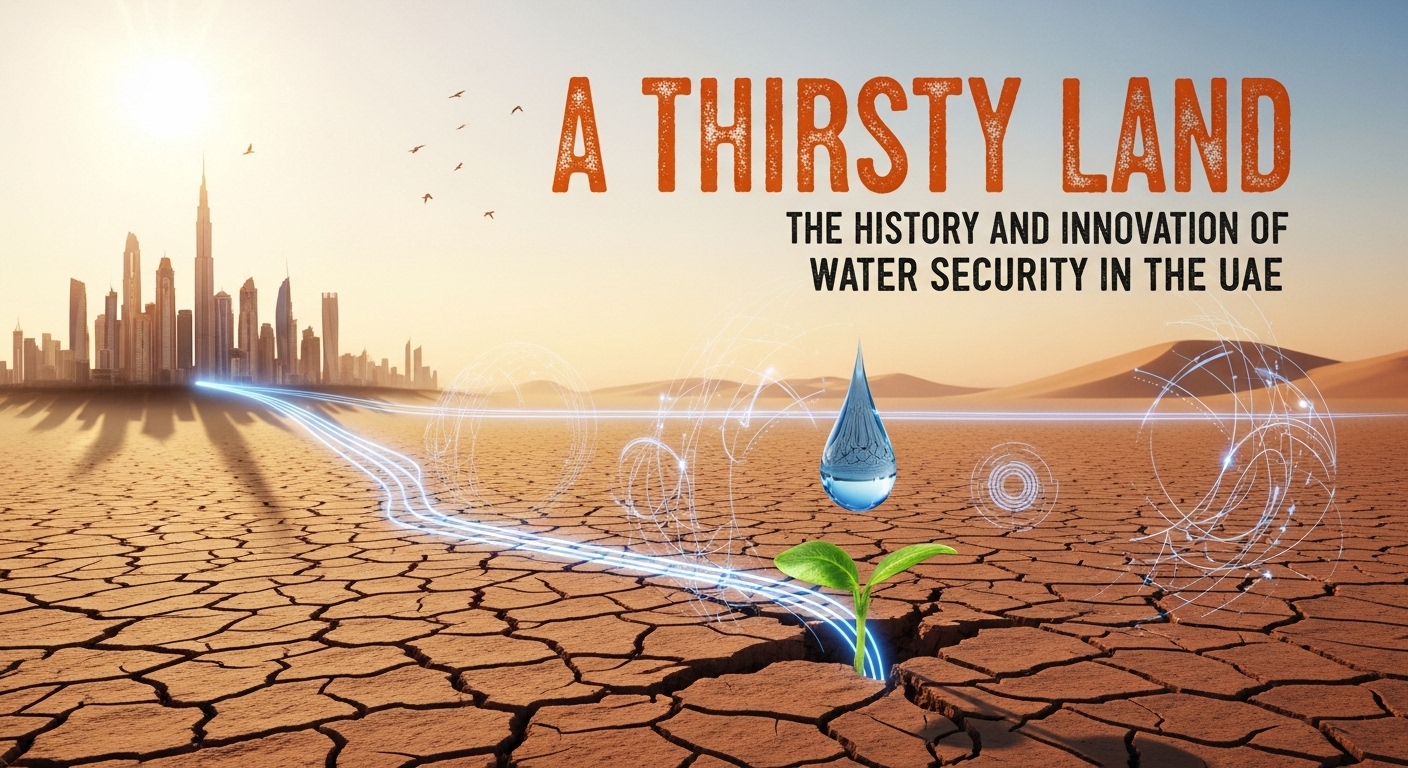
Water is the lifeblood of civilization, and in a land with no permanent rivers or lakes and minimal rainfall, its scarcity has been the defining challenge for millennia. The history of the UAE is, in many ways, a history of the quest for water. From the ingenious ancient systems of the desert dwellers to the world’s largest and most technologically advanced desalination infrastructure, the UAE’s journey to water security is a story of relentless innovation and adaptation. Confronting a future of growing demand and climate change, the nation continues to pioneer new frontiers in water production and conservation, turning its greatest vulnerability into a showcase of engineering prowess.
History
For centuries, the people of this region developed sophisticated methods to survive in a water-scarce environment. The Bedouin possessed an intimate knowledge of hidden desert wells (aïn). In the oases and mountainous regions, the aflaj (singular: falaj) system was perfected—a network of gravity-fed irrigation channels that tapped into underground aquifers or mountain springs, distributing water fairly for agriculture and drinking. The discovery of oil and the subsequent population boom in the late 20th century rendered these traditional methods insufficient. The UAE turned to the sea, commissioning its first commercial desalination plant in the 1970s. This marked the beginning of a total transformation, making the UAE reliant on desalinated seawater for most of its municipal and industrial needs.
Key Features
The UAE’s modern water security strategy is a multi-pronged approach:
- Desalination Dominance: The UAE is a global leader in desalination, operating some of the world’s largest plants. The process, primarily using thermal Multi-Stage Flash (MSF) distillation and more energy-efficient Reverse Osmosis (RO), involves removing salt and minerals from seawater to produce fresh water.
- Groundwater Management: While overused in the past, groundwater remains a strategic reserve. The UAE now actively monitors and manages its aquifers, using treated wastewater for aquifer recharge to bolster supplies and prevent saltwater intrusion.
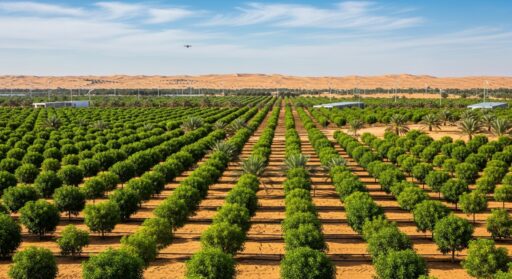
- Water Treatment and Reuse: A massive network of sewage treatment plants reclaims wastewater, which is then used for irrigating parks, forests, and agricultural land, preserving high-quality desalinated water for drinking.
- Demand Management: Public awareness campaigns, tariffs, and strict regulations on water use in landscaping and agriculture aim to curb waste and promote a culture of conservation among citizens and residents.
Cultural Significance
The historical struggle for water has deeply influenced Emirati culture. The value placed on water is embedded in the language and social customs; offering water to a guest is a fundamental act of hospitality (Al Dhiafa). The aflaj system was not just engineering; it was a social institution that required community cooperation and governance, reinforcing values of fairness and shared resource management. The modern mastery of water security is a source of immense national pride. It represents the nation’s ability to overcome its most fundamental geographical constraint, ensuring that the prosperity enabled by oil is not limited by a lack of water.
Modern Relevance
With one of the highest per capita water consumption rates in the world and the pressures of climate change, innovation in water security is more critical than ever. The UAE is investing heavily in next-generation technologies. This includes research into energy-efficient, solar-powered desalination to reduce the carbon footprint of water production. Cloud seeding is a regularly deployed technique to enhance rainfall. Perhaps most futuristic is the ongoing investigation into the potential of iceberg harvesting. Furthermore, the UAE is a global hub for water technology innovation, hosting the International Water Summit and driving research into nanotechnology for filtration and other cutting-edge solutions.
Conclusion
The UAE’s relationship with water has evolved from one of survival to one of mastery. The nation has effectively engineered its own hydrological cycle, creating a reliable, man-made water supply where nature provided very little. This achievement, however, comes with ongoing responsibilities: the high energy cost of desalination and the need for relentless conservation. The journey from the falaj to the futuristic desalination plant is a powerful narrative of human ingenuity. It underscores a central truth of the UAE’s development model: that through vision, technology, and determination, even the most daunting natural challenges can be transformed into opportunities for innovation and growth.